

In the heart of Manhattan, on Fifth Avenue, stands a majestic building that is not merely an architectural landmark but a true repository of knowledge—the Manhattan Public Library. Its history, which dates back to 1856, is closely intertwined with the city’s own evolution, reflecting its growth, transformation, and commitment to education. More on manhattan1.one.
This article traces the establishment and development of this unique library, an integral part of Manhattan’s cultural fabric. Learn about the library’s humble beginnings, founded by a group of education enthusiasts, and its evolution from modest book collections to a grand complex housing millions of volumes. Step into its serene reading rooms, where silence reigns and the reverence for knowledge is palpable. Discover the prominent individuals whose lives were intricately connected with the library. Rare photographs and documents bring these historical pages to life.
A place where countless books are housed and cherished, the Manhattan Public Library has, since its opening day, been a meeting point between readers and history, serving as a cornerstone of the city’s cultural life.
A Library-City with Roots in the 19th Century
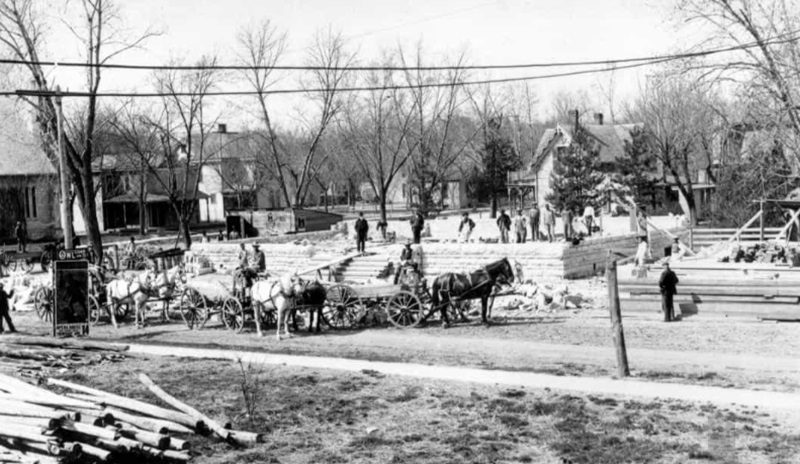
From its founding, Manhattan has been a city that values knowledge and education. It is no surprise that as early as 1856, the first library organization emerged here. Membership was open to all individuals of good moral character for a symbolic fee of one dollar.
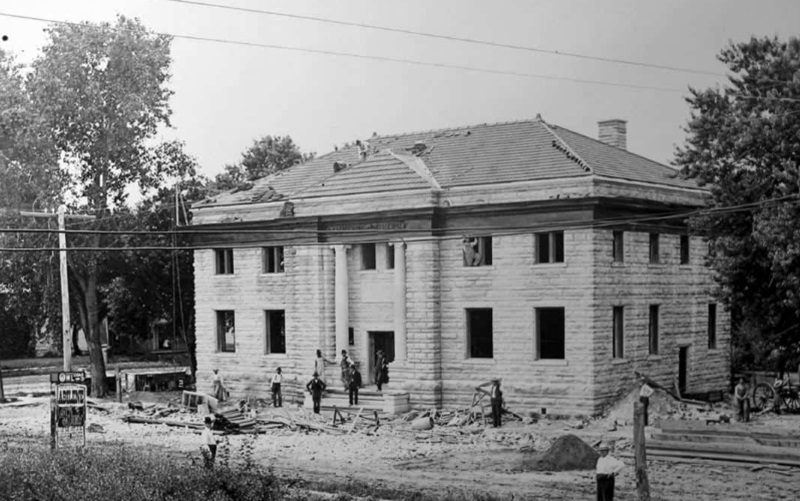
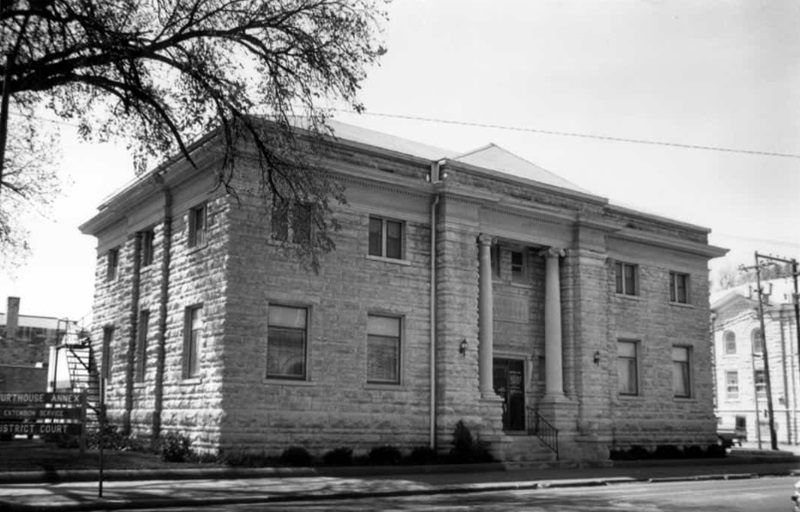
Since then, the Manhattan Public Library has come a long way, becoming a true cultural center. Thanks to the efforts of the Manhattan Library Association, the Carnegie Library was built and opened in 1904. On its opening day, the library’s collection comprised 1,000 items—a significant number for the time.
Mary Cornelia Lee, the library’s first director, served from its inception until 1942. Her initial salary was just $35 a month, yet she made an immense contribution to the library’s development.
Quickly winning the love and respect of Manhattan residents, the public library became more than just a repository of books—it became a hub of cultural life, offering access to knowledge to all who sought it.
Triumphs and Challenges of the Manhattan Public Library
In 1931, a children’s room was introduced, marking a significant step in making the library accessible to people of all ages. However, by 1937, the library was overwhelmed by the growing number of users. A librarian’s report at the time noted that a new building was essential due to overcrowding. Since the library’s opening, Manhattan’s population had tripled, and the facility could no longer accommodate all visitors.
Construction of a new building proceeded slowly. In 1951, a major flood inflicted severe damage, destroying many books and periodicals and compromising the building. Despite these challenges, the library board resumed discussions about a new facility in 1964.
By 1966, the Manhattan Public Library had become the headquarters for the newly established North Central Kansas Library System, serving 12 counties. This development underscored the library’s importance as a regional information hub.
Finally, in 1968, construction began on a new $825,000 building at the corner of Juliette and Poyntz Streets. The new library was inaugurated on March 9, 1969, marking a significant milestone in the library’s history. Spacious, modern, and equipped with everything necessary, the new library became a cultural epicenter. At the time, its collection reached 55,000 items and continued to grow rapidly.
Embracing Technological Advancements
In 1976, an automated system for material checkouts was introduced, followed by an online catalog in 1989. These innovations made information searches significantly easier for users.
The library building underwent reconstruction in 1980 to accommodate its growing collection and user base. By 1996, a $3.7 million expansion project commenced. In 1998, the library opened an eastern wing, connecting the existing western building with a beautiful three-story atrium featuring Kent Bloomer’s sculpture Aesop’s Fables Revisited. This expansion enabled the library to offer even more services, including access to computers, the internet, and other modern technologies.
Today, the Manhattan Public Library is among the leading libraries in the state. It offers a broad range of services for people of all ages and continues to play a vital role in Manhattan’s community life.
A Vision for the Future
The Manhattan Public Library constantly evolves to meet the changing needs of its patrons. In 2012, a fundraising campaign titled Building Young Minds was launched to expand the children’s room. Thanks to generous donations, a third of the necessary funds were raised.
On March 5, 2013, a $2.125 million expansion was approved, doubling the size of the children’s area. By December 2014, the renovated children’s library, story room, and garden were open to visitors. In 2015 alone, over 30,000 people attended library programs.
The library remains a bustling community hub, welcoming an average of 1,000 visitors daily. Its collection exceeds 150,000 books, audio materials, DVDs, Blu-rays, magazines, tablets, and more. Patrons also have access to hundreds of thousands of eBooks and digital materials through the Sunflower eLibrary and Hoopla.
Continued Growth
Looking ahead, the library board has plans for a second-floor expansion to create additional community spaces.
The Manhattan Public Library remains steadfast in its mission to provide access to knowledge and information for people of all ages. It has earned the love and respect of Manhattan residents through its tireless efforts to grow and improve.
A Cultural Beacon
The Manhattan Public Library stands as a true cultural hub, a place where people can learn, create, connect, and enjoy their time. Through its dedication to development and enhancement, it has become an irreplaceable part of the community, fostering education and cultural enrichment for generations to come.