

Murray Gell-Mann was a distinguished theoretical physicist renowned for his groundbreaking contributions to quantum physics. This article delves into his early years, professional development, scientific breakthroughs, and personal life. Read more on manhattan1.one.
Early Years
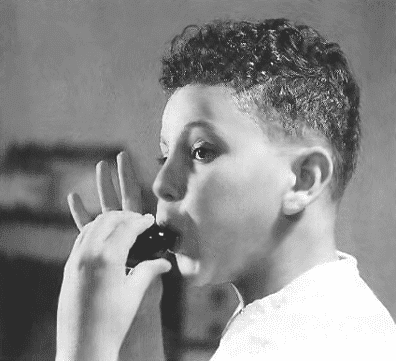
Murray Gell-Mann was a prominent American theoretical physicist. Born on September 15, 1929, in Lower Manhattan, he was the son of Jewish immigrants from the Austro-Hungarian Empire (an area now part of Chernivtsi, Ukraine). A love for mathematics and nature blossomed in his childhood, ultimately shaping his future path. At the young age of fourteen, Gell-Mann graduated from the Columbia Grammar & Preparatory School. He then enrolled at Yale University, earning a bachelor’s degree in physics. He went on to pursue his graduate studies at the Massachusetts Institute of Technology (MIT), where he received his doctorate.
Beginning of Professional Activity
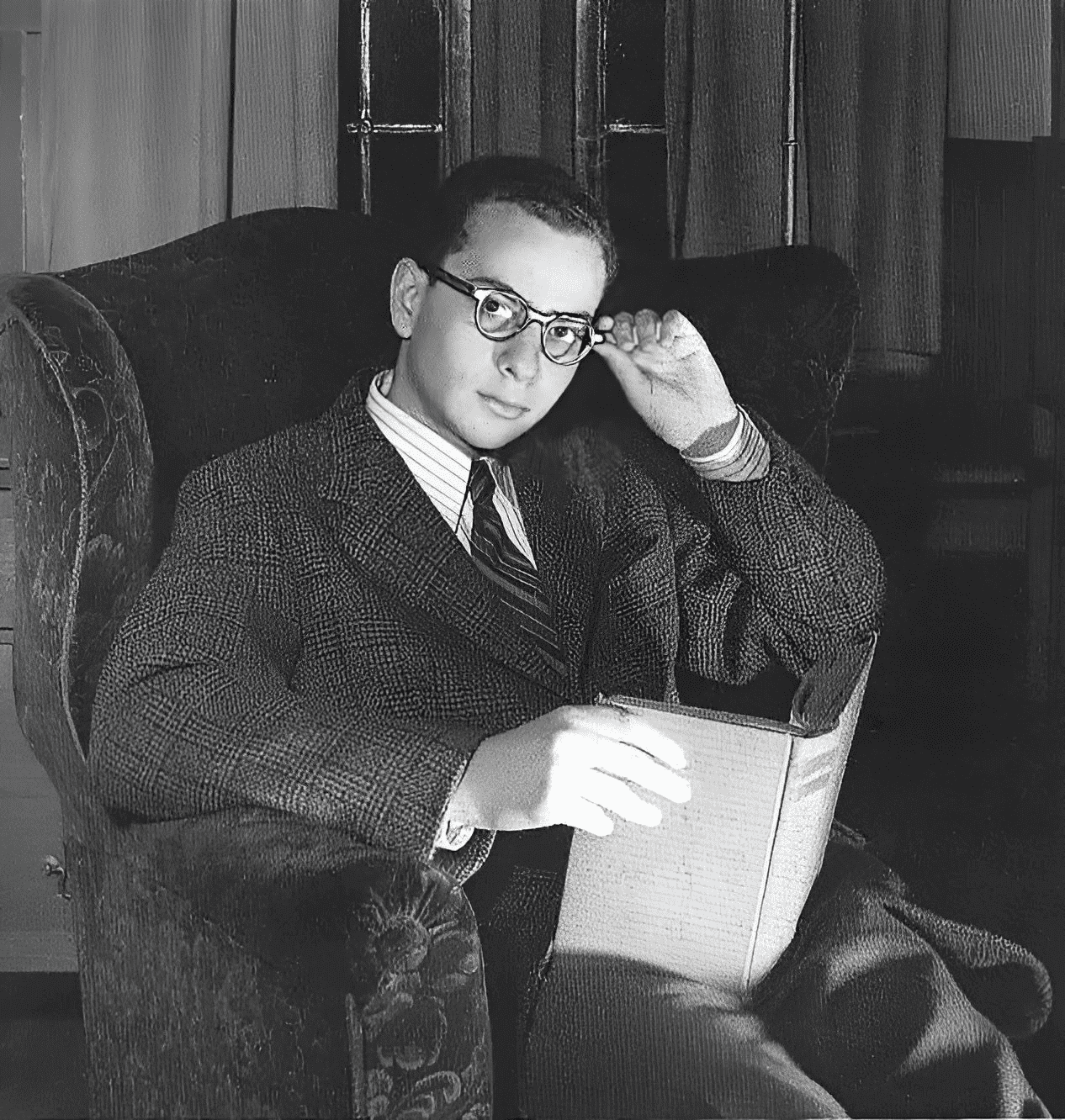
Starting in the 1950s, Gell-Mann embarked on his teaching career at the University of Chicago. He later joined the California Institute of Technology (Caltech), where he worked until his retirement. Additionally, he held professorships at the University of New Mexico in Albuquerque and the University of Southern California. In 1972, Gell-Mann worked at CERN (the European Organization for Nuclear Research) in Switzerland. In 1984, he co-founded the Santa Fe Institute (SFI), a theoretical research center. During this time, Gell-Mann also authored the influential book, The Quark and the Jaguar: Adventures in the Simple and the Complex.
Further Work of the Scientist
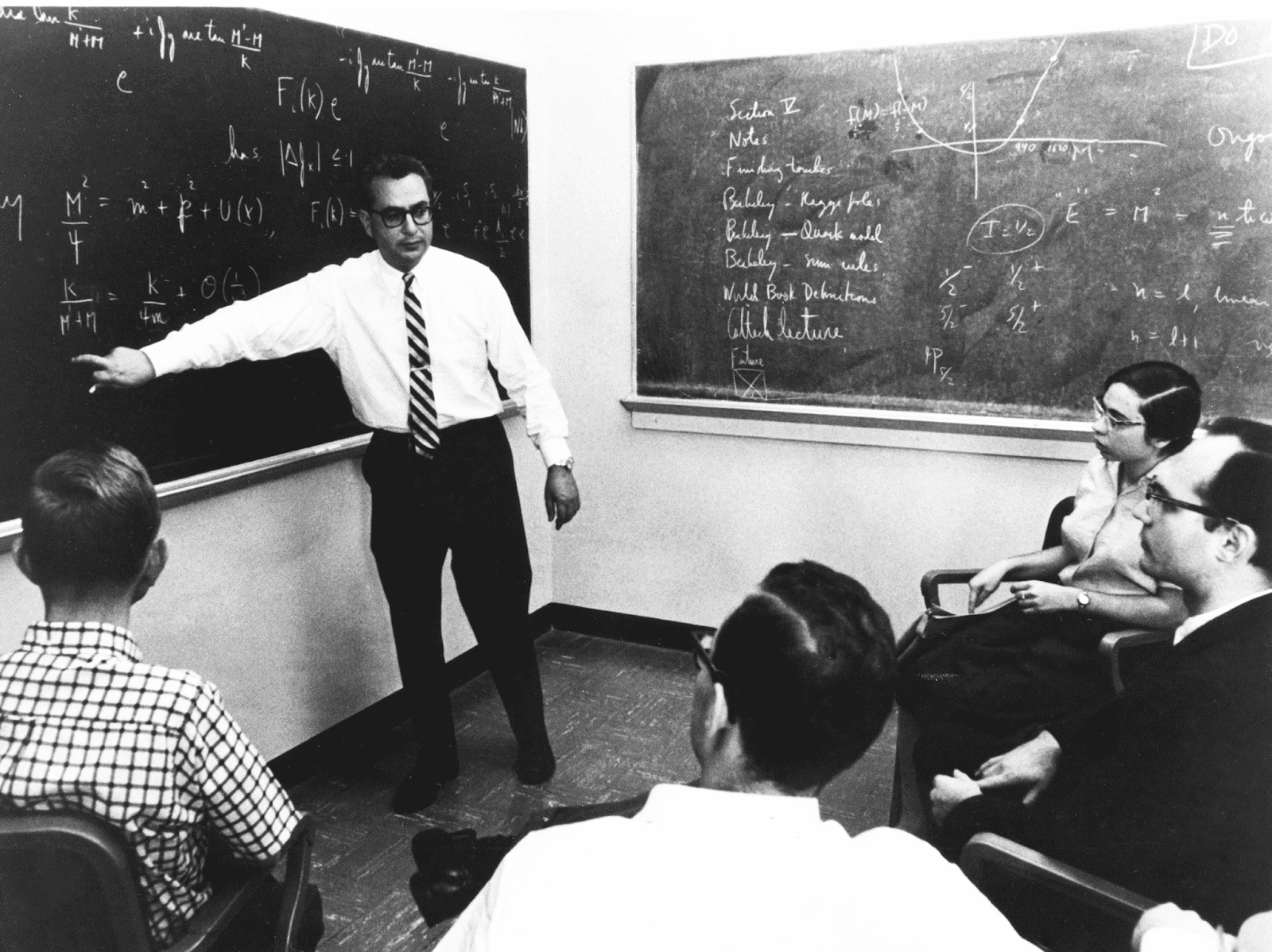
Throughout his distinguished career, Gell-Mann made numerous pivotal contributions. Notably, he developed the V-A (vector minus axial vector) theory of the weak interaction, explored the chiral structures of weak interaction physics, and investigated Chien-Shiung Wu’s discovery of parity violation. In the 1950s, he also researched newly discovered cosmic ray particles, which became known as hyperons and kaons, and attempted to explain the phenomenon of neutral kaon mixing. By the 1960s, Gell-Mann was deeply involved in studying and classifying hadrons. For his contributions and discoveries concerning the classification of elementary particles and their interactions, he received the Nobel Prize in Physics in 1969.
In the 1960s, Murray Gell-Mann introduced current algebra as a method for systematically deriving predictions and utilizing symmetries from quark models. In 1972, alongside William A. Bardeen, Heinrich Leutwyler, and Harald Fritzsch, he explored the Yang-Mills theory of “quark color” and coined the term Quantum Chromodynamics (QCD) as the gauge theory of the strong interaction. Shortly thereafter, Gell-Mann, along with Richard Slansky and Pierre Ramond, was instrumental in proposing the seesaw mechanism to explain neutrino masses. Furthermore, during the 1970s and early 1980s, Gell-Mann played a crucial role in championing string theory. He was also an advocate for the consistent histories approach to understanding quantum mechanics. The eminent scientist Murray Gell-Mann passed away on May 24, 2019, in Santa Fe, New Mexico, at the age of 89.
Personal Life
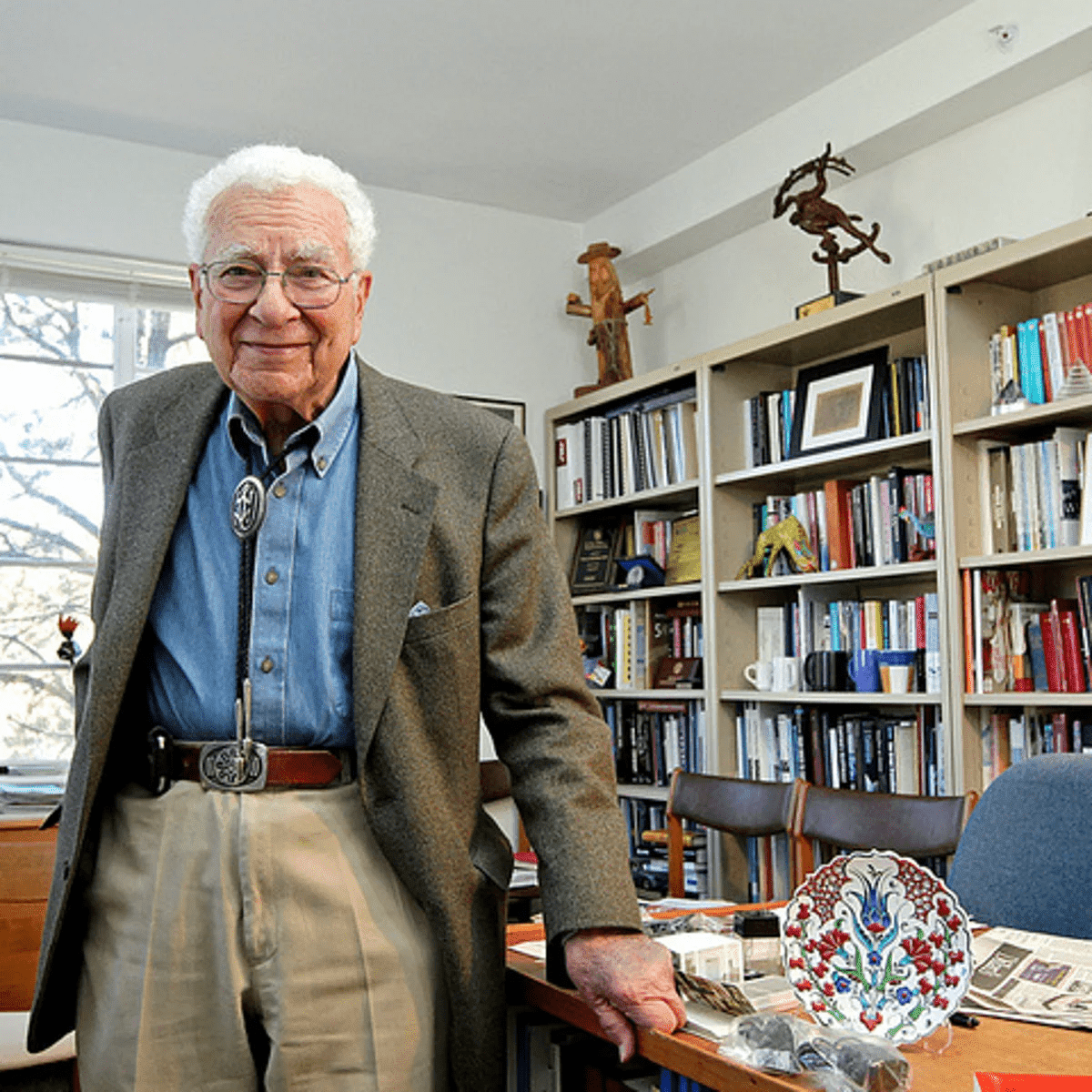
Not much is publicly known about Murray Gell-Mann’s personal life. However, it is known that he was married twice. He married his first wife, J. Margaret Dow, in 1955. The couple had two children: a son, Nicholas Webster, and a daughter, Elizabeth Sarah. Margaret passed away in 1981. In 1992, at the age of sixty-three, Gell-Mann married Marcia Southwick. Beyond his scientific endeavors, Gell-Mann was an avid collector of East Asian antiques and had a keen interest in historical linguistics.