

On March 25, 1911, the Triangle Shirtwaist Factory (TSF) in New York City burned down, killing 146 workers. This is one of the most shameful incidents in American industrial history, as the deaths were preventable. Most of the victims died due to neglect of safety measures and locked doors in the factory building. The tragedy drew widespread attention to the dangerous working conditions in factories. A number of laws and regulations were then developed to increase the protection and safety of workers. Read more on manhattan1.one.
Working conditions at the TSF
The TSF, owned by Max Blanck and Isaac Harris, was located on the top three floors of the Asch Building at the corner of Greene Street and Washington Place in Manhattan. It was a real sweatshop, where young immigrant women worked in cramped conditions at sewing machines. Almost all of the workers were teenage girls who did not speak English and worked 12 hours a day every day. In 1911, the factory had four elevators leading to the floors, but only one of them was working at full capacity. Workers had to walk down a long, narrow corridor to get to it. There were two ladders leading to the street. One was locked from the outside to prevent industrial theft. The other opened only inward. The fire escape was so narrow that even under the best of circumstances, it would have taken several hours for all employees to use it.
An interesting fact that few people know about
Exactly 79 years after the TSF fire, another tragic fire occurred in NYC. The fire, which broke out at the Happy Land social club in the Bronx, claimed 87 lives, making it the deadliest fire in the city since the events of 1911.
The danger of fires in factories such as TSF was well known. But the high level of corruption in both the garment industry and the city government in general meant that no useful precautions were taken to prevent future fires. Blanck and Harris already had a suspicious history of factory fires. The TSF had burned twice in 1902, and their Diamond Waist factory had burned twice, in 1907 and 1910. It is likely that Blanck and Harris deliberately set fire to their workplaces after hours to receive reimbursement for the fire insurance policies they had purchased, a common practice in the early 20th century. Although the lack of sprinkler systems and other safety measures was not the cause of the 1911 fire, these factors did contribute to the tragedy. Blanck and Harris steadfastly refused to install sprinkler systems and take other necessary safety measures in their stores, which could have significantly reduced the risk of fire in the event of a repeat incident.
In addition to the above-described violation of the law, Blanck and Harris’ notoriously anti-labor policy followed. Their subordinates received only $15 a week, despite the fact that they worked 12 hours a day, seven days a week, without days off or holidays. In 1909, when the International Ladies’ Garment Workers’ Union organized a strike to demand higher wages and shorter and more predictable working hours, Blanck and Harris stood out among the few manufacturers who opposed the movement. They enlisted the police to arrest women participating in the strike and bribed politicians to ignore the obvious violations.
What started the fire at the TSF?
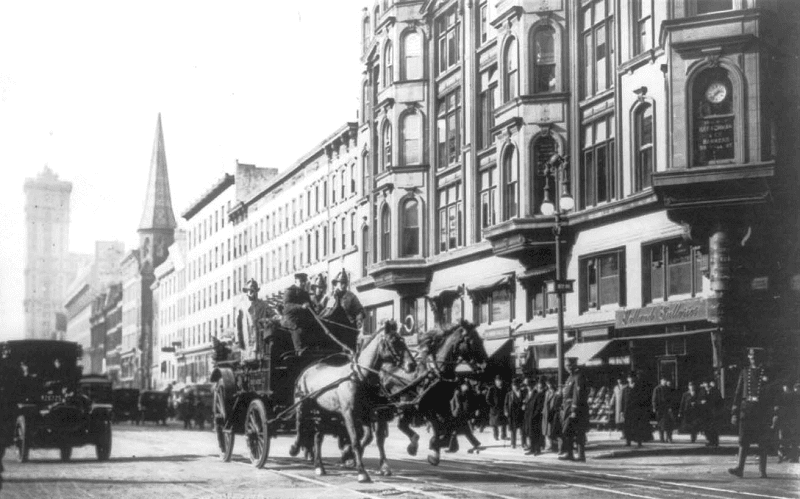
On Saturday afternoon, March 25, 1911, 600 workers were working in the factory when a fire broke out in the garbage can for fabric scraps. The manager tried to extinguish the fire with a fire hose, but was unable to do so as the hose was rotten and its valve was covered in rust. As the fire grew, panic set in. Young workers tried to leave the building by elevator, but it could only hold 12 people. The operator could only make four round trips before the elevator broke down in the heat and flames. In a desperate attempt to escape the fire, the girls who remained waiting for the elevator fell into the mine to their deaths. The girls who ran down the stairwells also met a horrific death – when they found a locked door at the bottom of the stairs, many of them were burned alive.
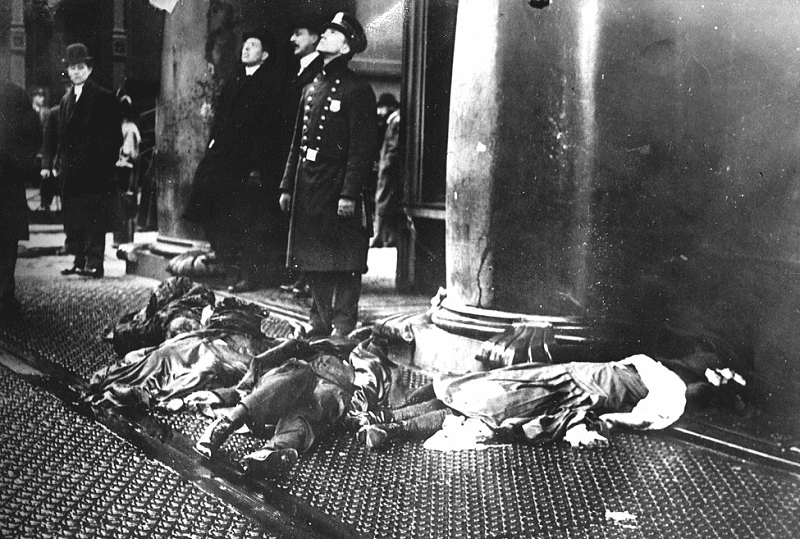
Employees on the floors above the fire, including the owners, escaped to the roof and then to neighboring buildings. When firefighters arrived, they witnessed a horrific scene. The girls, who did not have time to run to the stairwells or the elevator, were trapped inside the factory and began jumping out of the windows to escape. The bodies of the jumpers fell on the fire hoses, making it difficult to start extinguishing the fire. In addition, fire escapes only reached seven floors, and the fire was on the eighth floor. In one case, a safety net was deployed to catch jumpers, but three girls jumped at the same time, breaking the net. In this case, this method was largely ineffective.
It was over 18 minutes after the fire started. Forty-nine workers were burned or suffocated by smoke, 36 died in the elevator shaft and 58 died after jumping onto the sidewalks. Two more people died later from their injuries, for a total of 146 people killed in the fire.
The meaning of the fire at the TSF
The fire helped bring together organized labor and reform-minded politicians such as the progressive New York Governor Alfred Emanuel Smith and Senator Robert Ferdinand Wagner, one of the legislative architects of President Franklin Delano Roosevelt’s New Deal. Frances Perkins, who served on the committee that helped investigate the factory fire, would later become Secretary of Labor under President Roosevelt. The Laborers’ Union organized a march on April 5 on Fifth Avenue in NYC to protest the conditions that led to the fire. It was attended by 80,000 people.
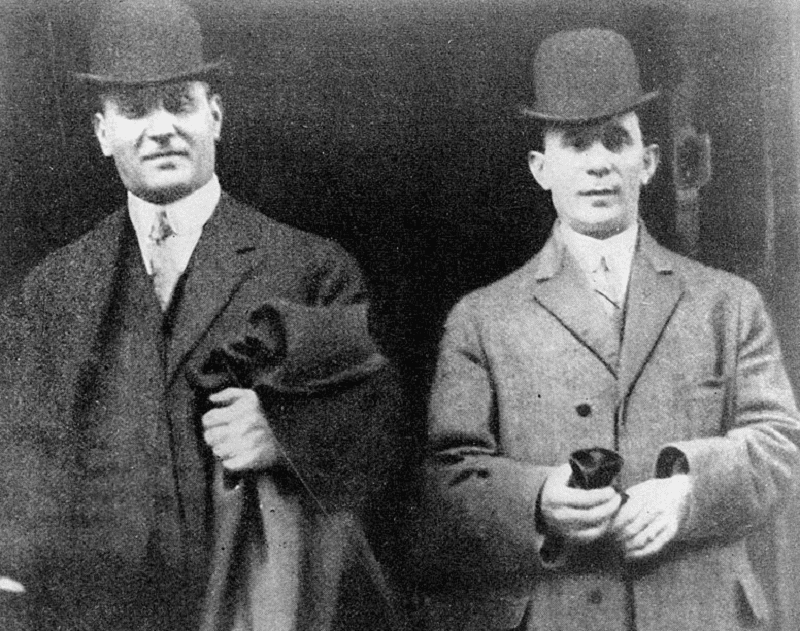
Despite overwhelming evidence that the owners and management were grossly negligent in the fire, the grand jury was unable to indict them for involuntary manslaughter. To settle the lawsuits against the factory’s management, they eventually paid each victim’s family $75 in compensation, a fraction of the $400 per death that their insurer was paying them.
However, the massacre for which they were responsible eventually forced the city to introduce reform. In addition to the Sullivan-Hoey Fire Prevention Law, passed in October of that year, New York Democrats took up the workers’ cause and became known as the Reform Party. Both laws were crucial in preventing similar disasters in the future.
More than 100 years after the tragic fire, a decision was made to create a permanent memorial on the Brown Building (23-29 Washington Place) in honor of the fire at the TSF in lower Manhattan. The purpose of the monument was to honor the memory of those who died in the fire, to emphasize the value of women’s labor and the dignity of every worker and to inspire the future generation of activists. The design of the memorial is a stainless steel ribbon that descends from the windowsill of the 9th floor, marking the place where most of the fire victims died.