

Columbia University, the oldest higher education institution in New York and the fifth oldest in the United States, has a rich history that highlights its foundation, growth, and current status. More on manhattan1.one.
Foundation
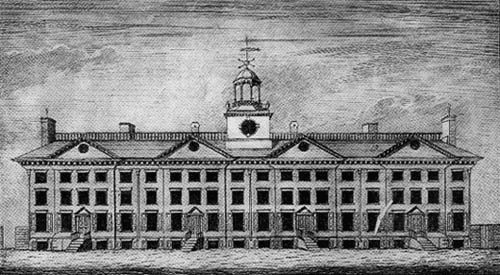
Columbia University, officially named Columbia University in the City of New York, is a private research institution located in Manhattan.
The idea for establishing a college in New York first emerged in 1704 when British Governor Lewis Morris advocated for the need for an educational institution. The project materialized only in 1746, following the establishment of a college in New Jersey. Fundraising efforts continued for five years.
The college began operations in July 1754 in Trinity Church, Manhattan, and officially opened on October 31 of the same year under the royal charter of George II, initially called King’s College. Samuel Johnson, an educator and clergyman, became its first president, later succeeded by Reverend Myles Cooper. The college closed for eight years during the American Revolutionary War. After the war, the institution sought support from the state of New York for restoration. Legislative privileges and assistance from the Board of Regents of the University of the State of New York were instrumental in its revival. In 1784, the college was renamed Columbia College in honor of Christopher Columbus, reflecting a commitment to renewal and growth. William Samuel Johnson, a statesman, became its president in 1787.
Further Development
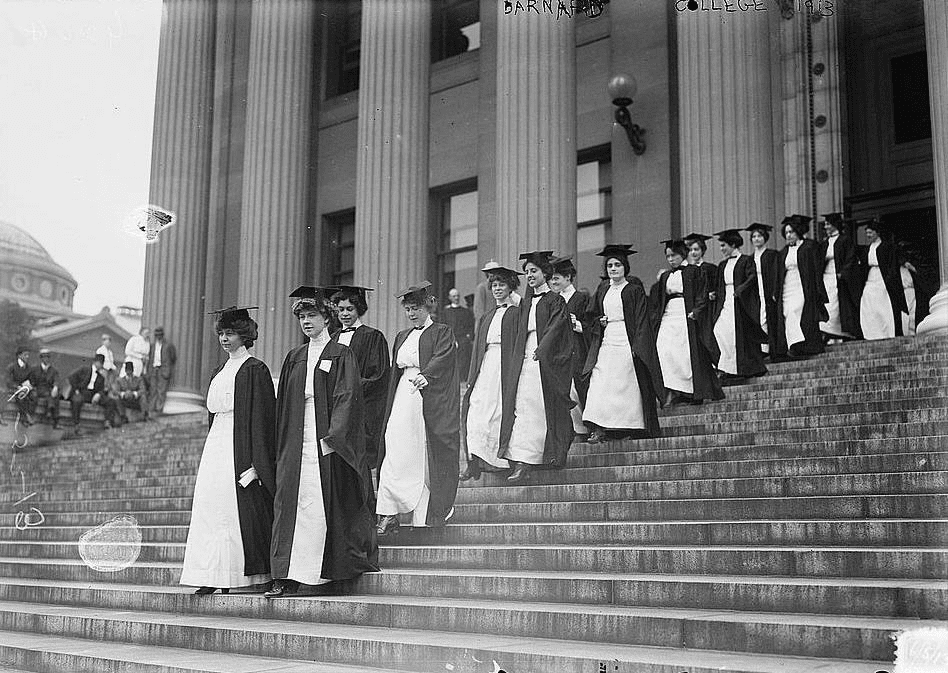
In 1813, a medical school was established at the college. By 1857, Columbia College relocated to a new building on Park Place and 49th Street, Manhattan. In 1896, it moved to its current location in Morningside Heights and was renamed Columbia University. During the presidency of educator and philosopher Nicholas Murray Butler, the university became a leading research institution.
In 1940, prominent Columbia faculty members, including Polykarp Kusch, Enrico Fermi, Isidor Isaac Rabi, and John Ray Dunning, initiated the Manhattan Project, leading to the development of the first nuclear reactor. By the late 20th century, Columbia had evolved into a major research university, implementing significant administrative, structural, and academic changes. In 1979, all faculties were integrated into the Graduate School of Arts and Sciences.
Contemporary Developments
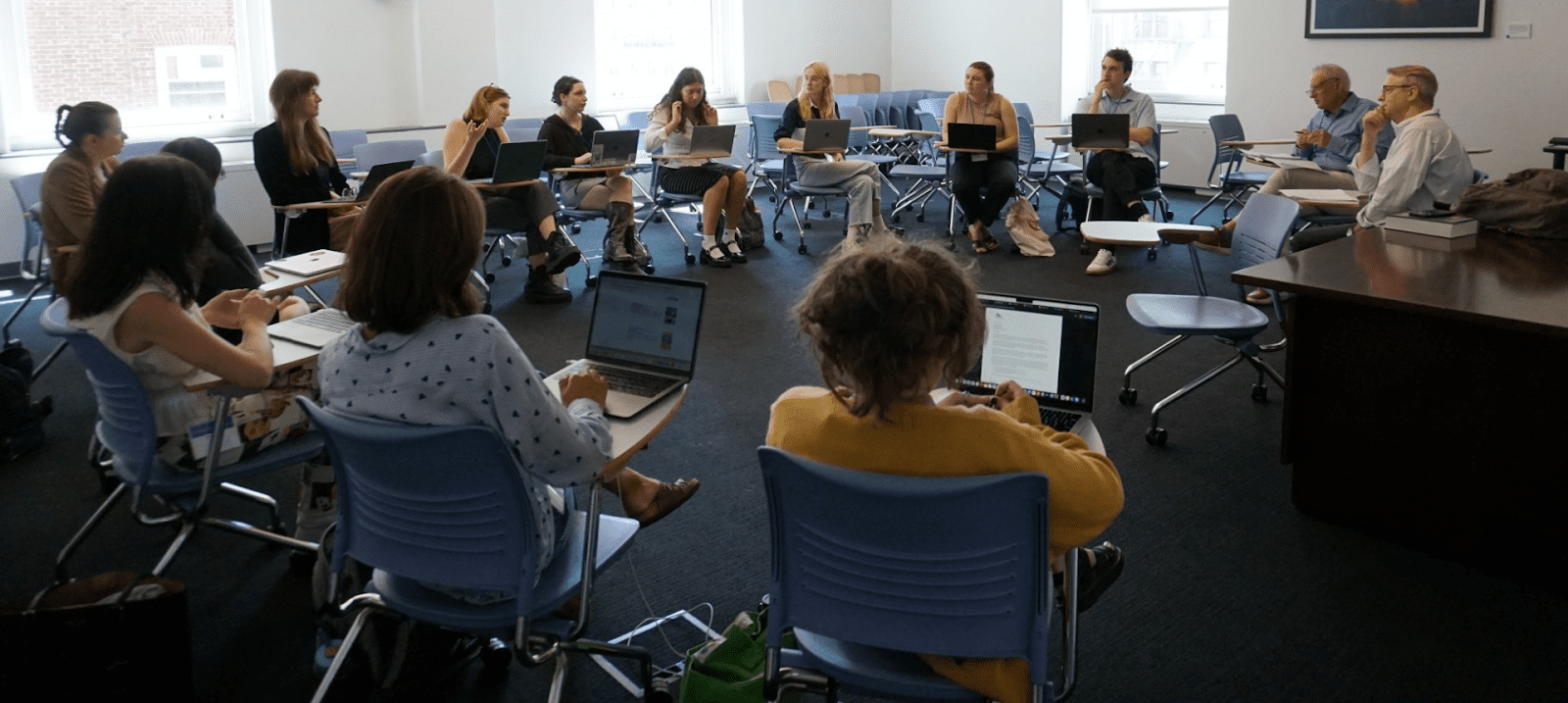
In 2023, the university faced significant student protests due to the armed conflict between Israel and Hamas. Students protested against the alleged genocide of Palestinians in Gaza, triggering solidarity demonstrations across other U.S. universities. In response, Columbia transitioned to online learning.
Academic Offerings
Columbia University encompasses four official colleges and schools for undergraduate students:
- Columbia College: A liberal arts college offering a Bachelor of Arts degree.
- The Fu Foundation School of Engineering and Applied Science (SEAS or Columbia Engineering): Offers a Bachelor of Science degree.
- School of General Studies: Provides a Bachelor of Arts degree for both full-time and part-time students.
- Barnard College: A women’s liberal arts college granting Bachelor of Arts degrees.
The university’s robust academic programs and its storied history have solidified Columbia’s reputation as a leading global educational institution.