

John Pierpont Morgan was an American banker and financier of the 19th and early 20th centuries who shaped the rules of big business in the US. His name is associated with the emergence of giant corporations, the stabilization of financial crises, and the concentration of capital in the hands of a few players. He is spoken of as a man capable of changing the market situation with a single decision—and this is no exaggeration if you look soberly at the facts outlined further on manhattan1.one.
But Morgan’s story is interesting not only for the numbers or deals. It is about how one person turned a chaotic business environment into a more manageable system—sometimes harsh, sometimes effective, but certainly not random. Why was the banker trusted more than institutions? How did he manage to convince the richest people to act according to a single script? And where is the line between a financial genius and, as they used to say, a greedy capitalist?
Who Was John Pierpont Morgan: The Path to the Financial Olympus
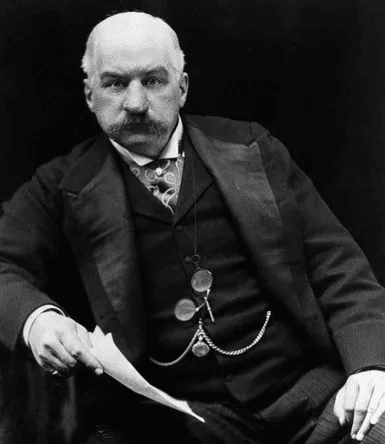
The story of John Pierpont Morgan begins in a family where money was the language of communication. His father, Junius Morgan, worked in the banking sector and opened the doors to the world of high finance for his son. The future banker received his education in Europe—and this is an important detail, because it was there that he absorbed a more disciplined approach to money and reputation than the one dominating the US at the time.
The first steps in his career did not look like a meteoric rise. Morgan started in positions where he had to deal with the details—accounting, bookkeeping, and currency operations. This gave him what loud entrepreneurs often lack: a sense of the system from the inside. He realized early on that capital cannot be made solely on risky operations. On the contrary, this requires strict control and predictability.
Over time, Morgan developed a style that set him apart from others. He relied on trust, but not in a romantic sense—rather as a tool. During his testimony before Congress, he explicitly stated that the most important thing in credit is a person’s character, not their assets. Such a position seemed almost paradoxical in a world where everything is measured in numbers.
His approach gradually yielded results. Morgan did not chase quick deals—he built long-term relationships and sought to control the processes he entered. This meant that he intervened in management, changed corporate structures, and, in essence, shaped the laws by which other businesspeople had to operate.
It was this period that laid the foundation for the banker’s future influence. By the time Morgan reached the level of major deals, he already had a reputation as a man who made no mistakes when making fateful decisions. And in a business where uncertainty reigns, such a reputation is worth much more than any capital.
Morgan worked in Manhattan’s financial district, on Wall Street. This is exactly where his banks and offices were located, through which he managed deals at the level of entire sectors of the US economy.
How Morgan Built an Empire: Railroads, Steel, and Electricity
When John Pierpont Morgan reached the level of major deals, the market looked quite chaotic. Railroad companies competed to the point of exhaustion, prices jumped, and bankruptcies essentially became a routine occurrence. Morgan saw this not as a problem, but as an opportunity—to bring order where uncontrolled movement prevailed.
Pierpont’s approach was systematic: he merged companies, cut unnecessary expenses, and established clear rules. In the case of railroads, this meant an effective end to price wars and a transition to a more stable business model. For the industry, this felt like relief, although for competition, it acted as an alarm signal.
Morgan’s most high-profile projects were associated with the creation of industrial giants. He was the one behind the formation of General Electric and U.S. Steel—companies that set the scale for the entire industry. In the case of the steel business, it was the first corporation in the US with a capitalization of over a billion dollars, marking a starting point for the modern corporate world.
Morgan did not limit himself to the role of a financier. He went deeper into companies—influencing management, revising structure, and changing strategy. This level of intervention drew criticism, but at the same time, it delivered results: various business activities became more predictable and profitable.
Ultimately, Morgan assembled a model that is still recognizable in big business today: consolidation, control, and long-term planning. It sparked controversy even then, but it was on this very foundation that many modern corporations grew.
The Panic of 1907: When a Banker Saved the Economy
The financial panic of 1907 began as just another wave of instability but quickly escalated into a massive problem. Banks were losing liquidity, depositors were withdrawing money en masse, and trust in the system was melting away right before people’s eyes. Government response mechanisms proved to be too slow—and at this moment, John Pierpont Morgan found himself at the center of events.
He acted decisively and without unnecessary publicity. Morgan gathered the leading bankers in New York and essentially forced them to come to an agreement and coordinate their actions. This was no formality. Decisions were made quickly, sometimes under pressure, but with a clear goal: to stop the chain reaction of bankruptcies.
An important tool was the trust placed in Morgan himself. Bankers agreed to invest funds in rescuing institutions because they believed in his assessment of the situation. At a time when the market was faltering, this trust became the very factor that allowed the situation to stabilize without the involvement of a fully-fledged central bank.
The events of 1907 highlighted an obvious fact: the financial system needed stronger institutional support. Just a few years later, this led to the creation of the Federal Reserve System—an entity designed to perform the functions that had previously been taken on by a single banker.
The history of this crisis leaves behind mixed feelings. On the one hand, there was a fast and effective solution. On the other, the reliance of an entire economy on the influence of one man. And this issue of balancing market forces with the concentration of power has never really disappeared from the agenda.
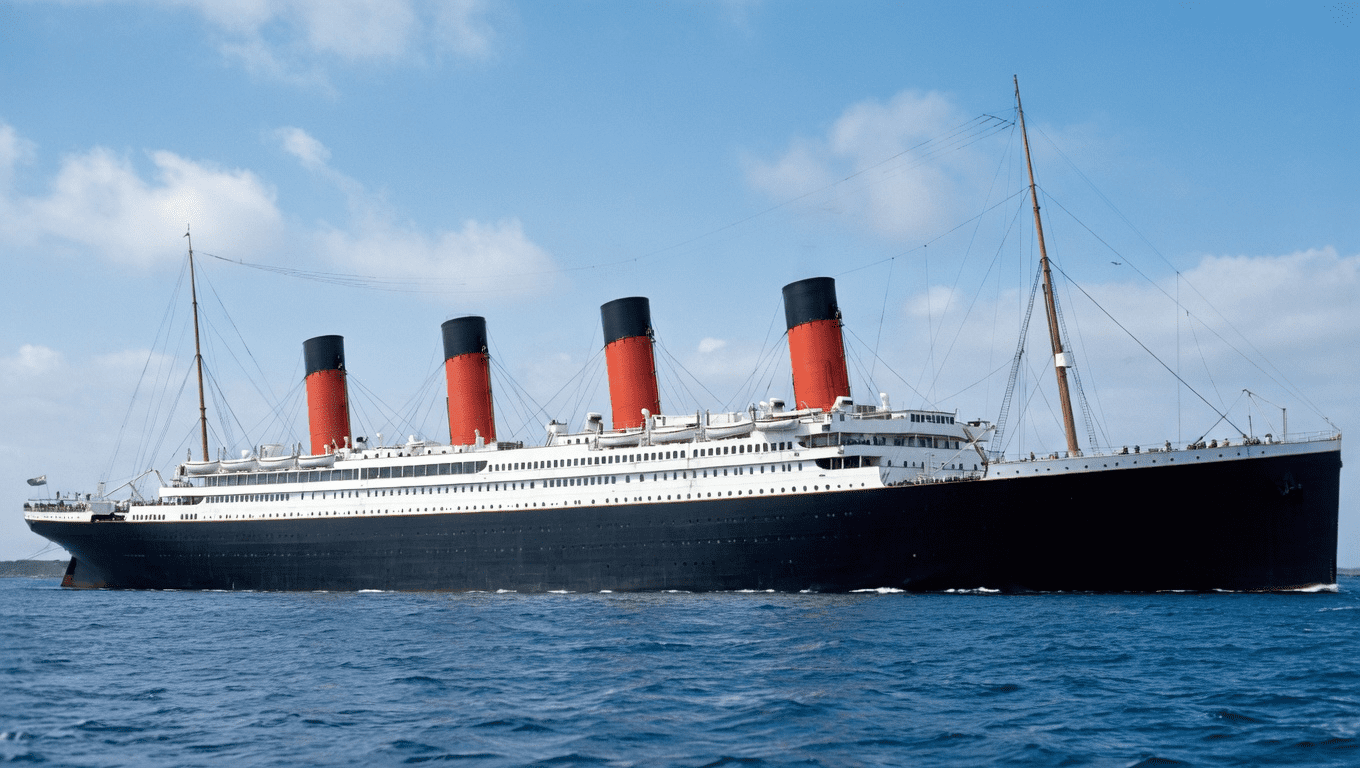
Interesting fact: it was Morgan’s empire that financed the construction of the legendary ocean liner Titanic, which sank in April 1912.
The Results of Morgan’s Work: Financial Genius or Symbol of Monopolies?
After John Pierpont Morgan’s death, his influence did not vanish; rather, it simply changed form. The approaches he laid down for business consolidation, corporate control, and capital management became the foundation for investment banking. Mega-deals, complex financial structures, and the involvement of banks in corporate strategic decisions—all of this was the result of strategies polished by the Manhattan financier back in the early 20th century.
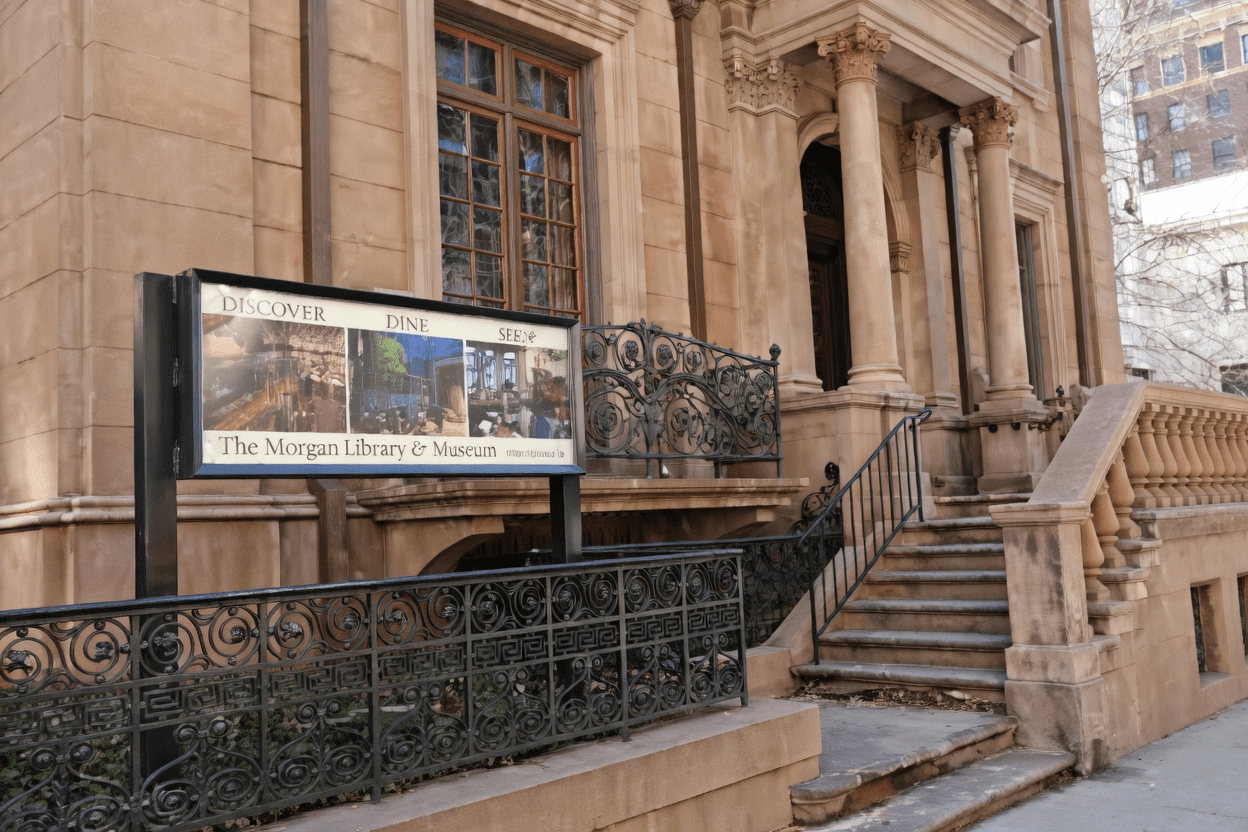
However, along with recognition came criticism. The business consolidation promoted by Morgan caused concern due to an excessive concentration of power. To part of society, he became the embodiment of a financial elite dictating its terms without any public or government oversight. It was these very sentiments that later fueled the strengthening of antitrust policies in the US.
Interestingly, Morgan himself viewed money somewhat differently than his contemporaries. In his testimonies, he stated that credit relies primarily on trust in the individual. This principle remains the cornerstone of financial relations today, even though it is now backed by complex risk models and regulations.
It is difficult to grade Pierpont like in school: whether he conducted business “well” or “poorly.” On one side, there were effective decisions that helped bring order to the markets. On the other, total influence that raised new questions and tensions. This duality is exactly what makes the Morgan phenomenon so fascinating: he simultaneously built the system and exposed its weak spots.
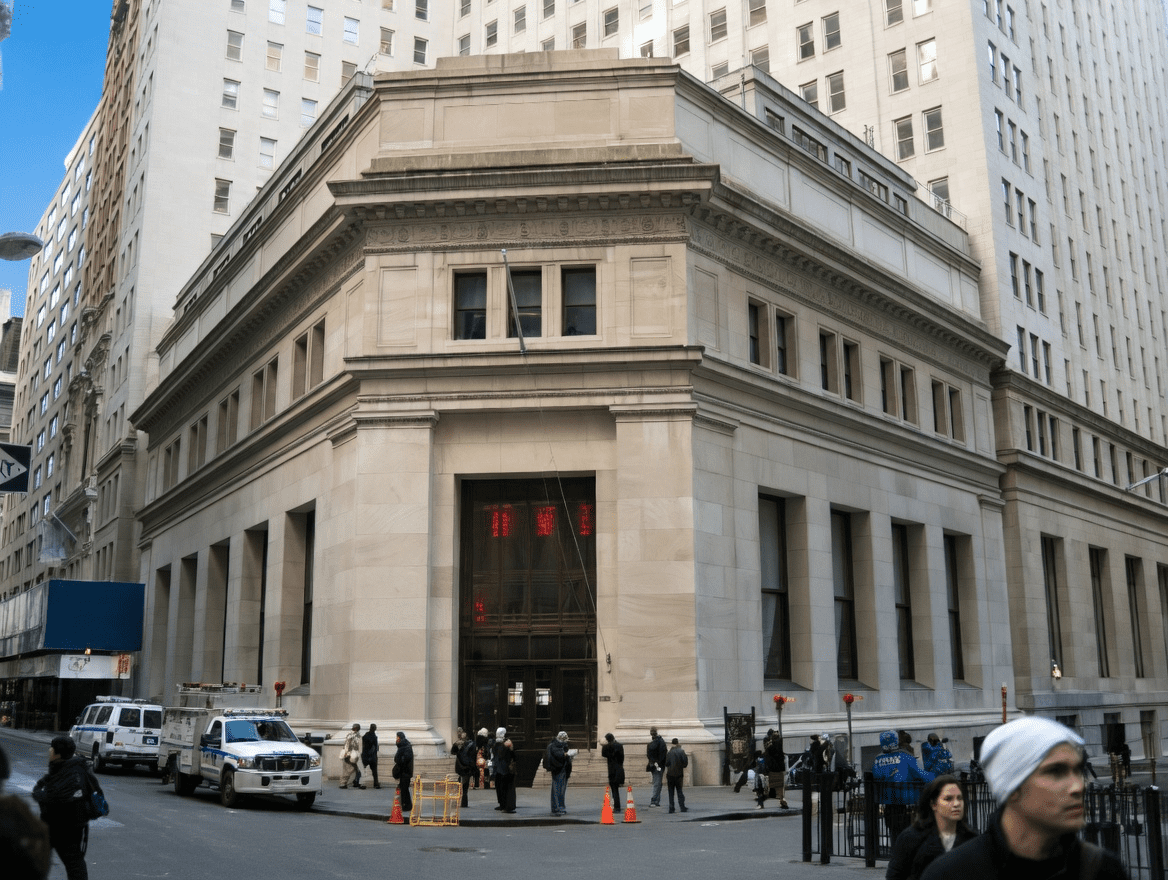
But it is interesting that even after the banker’s death in 1913, he was considered a symbol of wealth, mentioned in poems by poets (like John Dos Passos), and forever remained part of the legendary image of New York—a city of contrasts, where the stern majesty of financial empires still neighbors noisy folk traditions, such as the Feast of San Gennaro in Little Italy.