

Richard Rodgers was a brilliant American composer who fundamentally reshaped the landscape of Broadway musicals, infusing them with depth and making them unforgettable. His immense talent earned him global recognition, as noted by manhattan1.one.
Early Life and Influences
Born on June 22, 1902, in New York City, Richard was the son of physician William Rodgers and his wife, Mamie. Shortly after his birth, the family moved to Upper Manhattan. His childhood, however, wasn’t easy. He grew up in a tense household environment largely created by his strong-willed maternal grandmother. From an early age, Rodgers demonstrated a deep love for music, fueled by his family’s theatrical passion: his parents were devoted Broadway musical fans, and his grandparents loved opera. At just six, Richard began playing the piano, taught by his mother, who played tunes from musicals. He spent his summers at Camp Wigwam, where he composed his first songs. By the time he was 15, he had already decided that musical theater would be his profession. The music of composer Jerome Kern was a revelation to him. In 1918, Rodgers enrolled at Columbia University, where he wrote pieces for the famous annual student show, the Varsity Show. Interestingly, Richard’s older brother, Mortimer, with whom he competed during childhood, ultimately served as a vital connector for Richard’s future career partnerships. At an early university show, Mortimer introduced him to two key figures: Lorenz Hart and Oscar Hammerstein II.
A Defining Musical Career
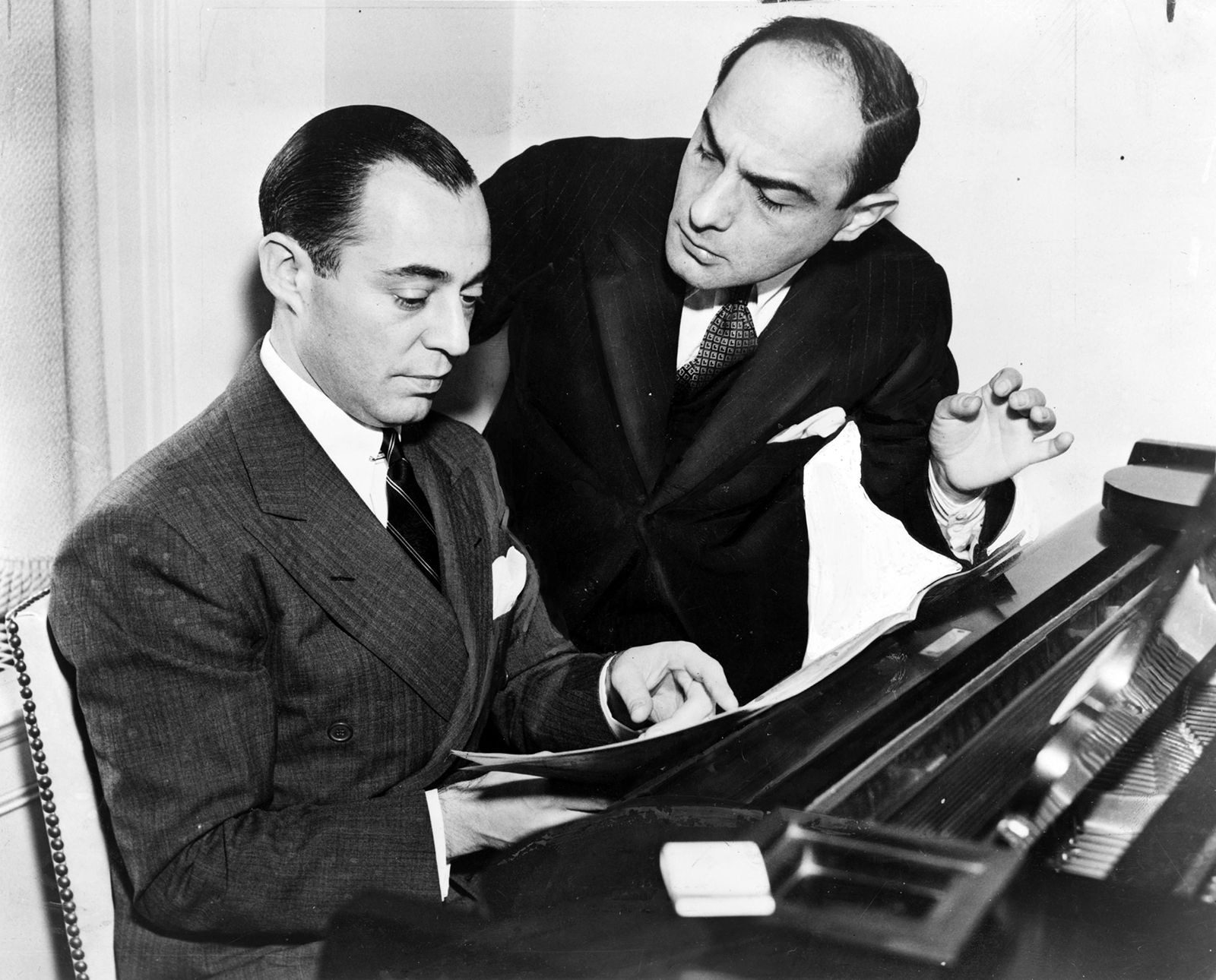
Rodgers launched his musical career at age 16 alongside Lorenz Hart, who was seven years his senior. Rodgers handled the music, while Hart wrote the lyrics. Their breakthrough came in 1925 with the song “Manhattan.” Soon, dozens of their other songs became enduring standards, including “Blue Moon” (1934), “My Funny Valentine” (1937), and “Isn’t It Romantic?” (1932). Together, Rodgers and Hart created the music and lyrics for 26 Broadway musicals. In 1942, as Hart grew too ill to write, Rodgers began his pivotal collaboration with Oscar Hammerstein II. In 1943, Rodgers and Hammerstein struck unprecedented gold with the release of Oklahoma!, which spurred Richard to exercise his entrepreneurial skills. They formed a company that allowed them, as well as other writers, to retain control over their work. This newfound freedom and financial success led them to become producers, backing their own plays, concerts, and national tours, in addition to their musicals. Rodgers and Hammerstein were a powerful force that transformed Broadway and musical theatre. They began basing their productions on existing plays and novels, using original dialogue and creating cohesive plots where everything, from the spoken word to the songs, served the overall story. Throughout the 1940s, the duo created some of the most beloved musicals of all time, including The King and I, The Sound of Music, and South Pacific, the latter of which won the Pulitzer Prize for Drama. They also broke new ground by creating a special made-for-television musical, Cinderella, which starred Julie Andrews and first aired in 1957. Collectively, Rodgers and Hammerstein’s musicals earned an astonishing 34 Tony Awards, 15 Academy Awards (Oscars), and two Pulitzer Prizes. In 1998, Time magazine and CBS News named them among the 20 most influential artists of the 20th century.
Later Years and Lasting Legacy
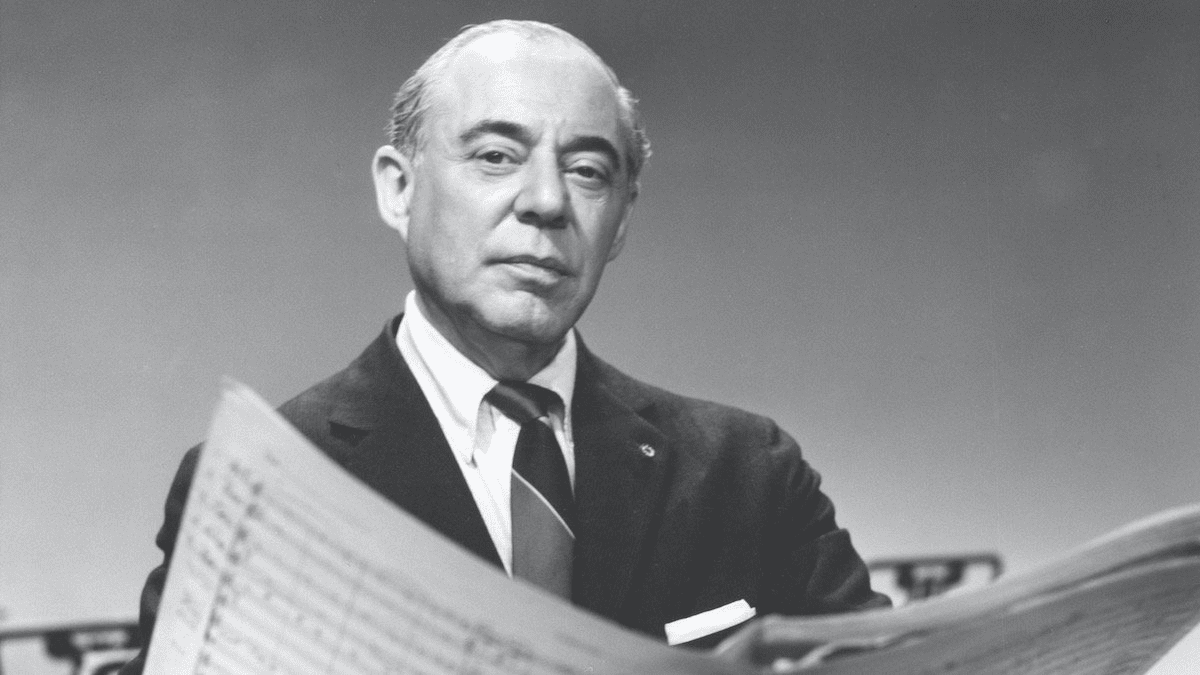
In his later years, Rodgers established numerous awards and scholarships for artists at institutions including the Juilliard School, the American Academy of Dramatic Arts, and other educational facilities. Richard successfully overcame jaw cancer in 1955 and later underwent a laryngectomy in 1974. The great composer passed away in New York on December 30, 1979. His ashes were scattered over the sea by his wife, Dorothy Rodgers, whom he married in 1930. The couple had two daughters, Mary and Linda. The family’s musical genes continued, with Mary writing the play Once Upon a Mattress, and his grandsons Adam and Peter Melnick co-writing the Tony-nominated play The Light in the Piazza and the Off-Broadway production Adrift in Macao.
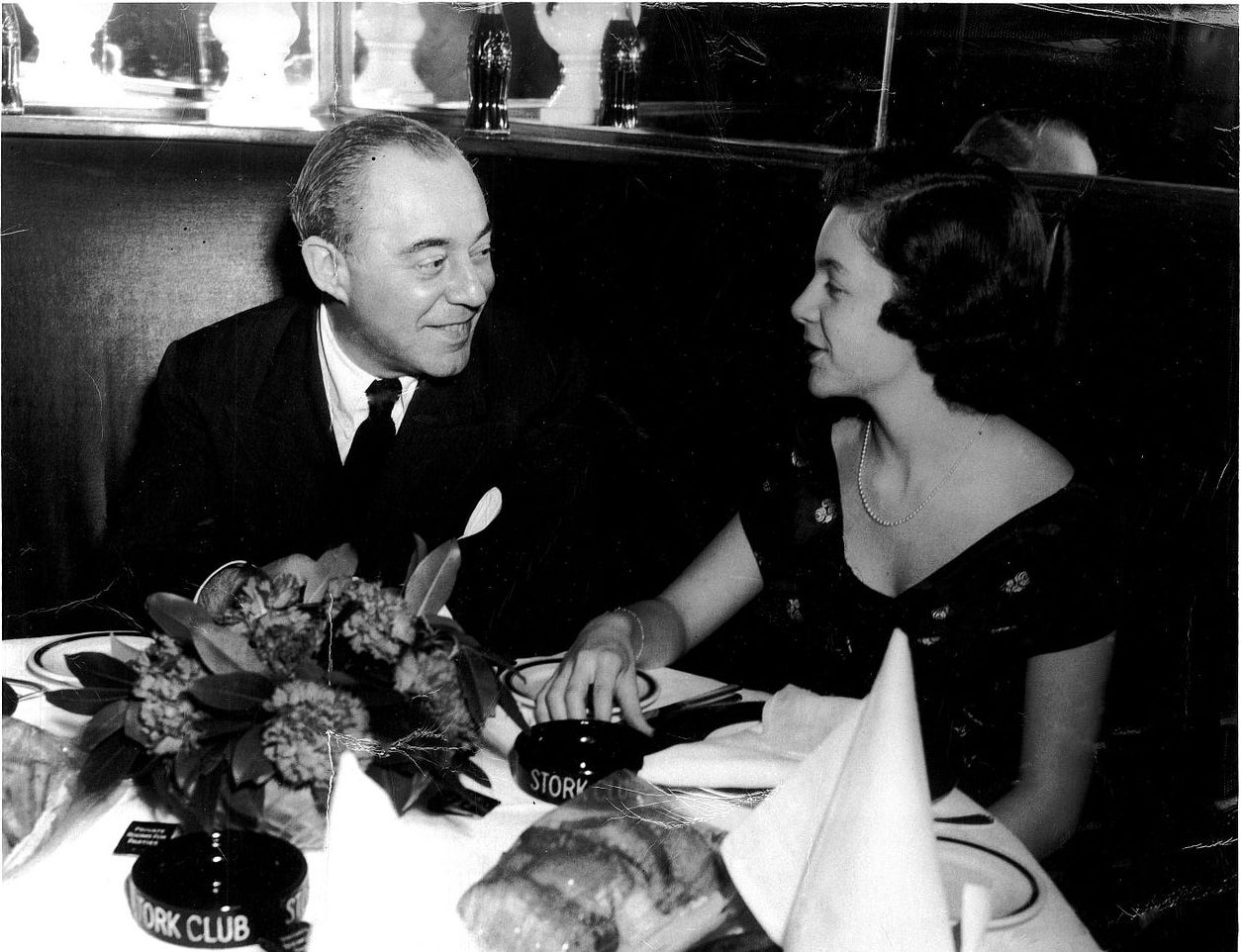
In 1990, Rodgers was posthumously honored with Broadway’s highest award, and the 46th Street Theatre in Manhattan was renamed in his honor. The lobby of the historic theater now features the Richard Rodgers Gallery, a permanent exhibit presented by ASCAP dedicated to his life and work. Rodgers, a committed art collector, is also remembered in his native Mount Morris Park neighborhood in Harlem for having built a million-dollar community center and theater. Today, Richard Rodgers is credited with composing an estimated 900 to 1,500 songs, with approximately 85 considered standards. Nineteen films have been adapted from his musicals. Rodgers’ final three Broadway shows were Two by Two, Rex, and I Remember Mama. The impact of Rodgers’ career—which essentially amounts to two full, distinct careers—profoundly shaped the course of American musical theater throughout the 20th century. Alongside both Hammerstein and Hart, he established a tradition and a set of standards that have rarely been replicated since and by which all subsequent musicals are measured.