

John Gatto was one of the most revolutionary educators in the American school system, dedicating nearly 30 years to teaching in various New York City schools. He was a highly respected, award-winning teacher, but also a fervent and outspoken critic of modern schooling. We’ll dive deeper into his life and work at manhattan1.one.
Early Life and Formative Years
Born in Monongahela, Pennsylvania, in 1935, John was a hard worker from an early age. Throughout his school years, he took on all sorts of jobs: cutting lawns, selling comic books, shoveling snow, and helping out at his grandfather’s printing shop. All of this early toil helped Gatto understand the value and rewards of diligent labor. After graduating high school, John attended Cornell University, followed by stints at Columbia and the University of Pittsburgh. He then joined the U.S. Army, serving in the Medical Corps at Fort Sam Houston, Texas, and Fort Knox, Kentucky. Following his military service, he attended five different colleges, including the University of California, Berkeley, and Yeshiva University, to complete his graduate studies. Before settling on a career in education, Gatto dipped his toes into a variety of professions. He wrote screenplays, composed songs for ASCAP, drove a taxi, designed jewelry, and sold hot dogs, not to mention writing speeches for Spiro Agnew and Richard Nixon.
A Teacher, an Advocate, and a Fierce Critic
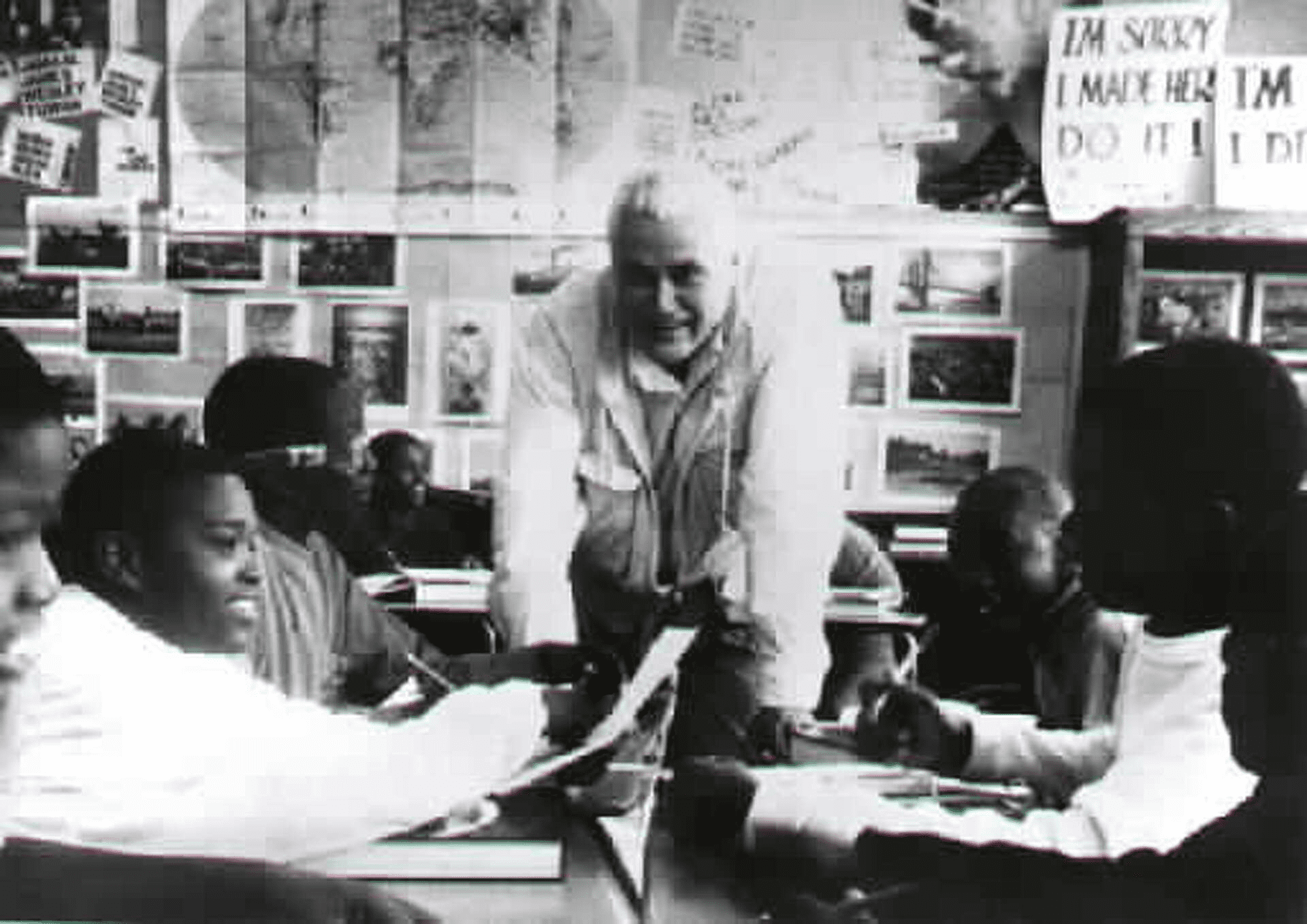
As a teacher, Gatto aimed to expose compulsory schooling as little more than an attempt to create a compliant populace—a world of people who would serve the state and corporations. John was also candid about the methods he personally employed to help his students truly learn. Throughout his career, Gatto dedicated himself to championing the interests of homeschooled families and children. John was greatly valued by his students, with whom he shared excellent relationships. He didn’t see them as mere subordinates to be ordered around, and in turn, they genuinely enjoyed attending his classes. Gatto’s motto was simple: treat your students as you would any other human being. After nearly three decades in the system, he realized the environment was toxic, and deliberately so. It seemed specifically designed to make children dull—a ritual he could no longer participate in. Gatto was twice stripped of his teaching license for insubordination and secretly dismissed while on medical leave. Yet, he didn’t view these setbacks as failures; instead, he dedicated himself to trying to undo the intellectual and emotional damage inflicted on children. He likened his work to a war, a battle he felt he had no choice but to fight. He also famously compared the idea of factory-style schooling to a cancer that ultimately metastasized, methodically eliminating any role that communities and families played in a child’s true education. In his experience, this system completely stripped children of the opportunity to grow into responsible adults. Many considered Gatto’s criticism too sharp, but he argued that the conditioning used to program children is not only dehumanizing but has roots stretching back over 200 years. In his book, The Underground History of American Education, he proved this point using documents meticulously collected over many years. In the book, John argues that the educational system uses the Prussian model, one where the elite effectively sort people like livestock. According to Gatto, students can master math, reading, and writing in just 100 hours of instruction. Conversely, the public school system takes a staggering 25,000 hours to achieve the same. Why the huge difference? John suggested this approach is used because it allows for social experimentation on the population. Moreover, he labeled schools as “laboratories” where violence and humiliation are tools used to achieve social efficiency. After stepping away from teaching, he dedicated himself to speaking and publishing in support of open-source, free-form learning.
The Battle with the Education System
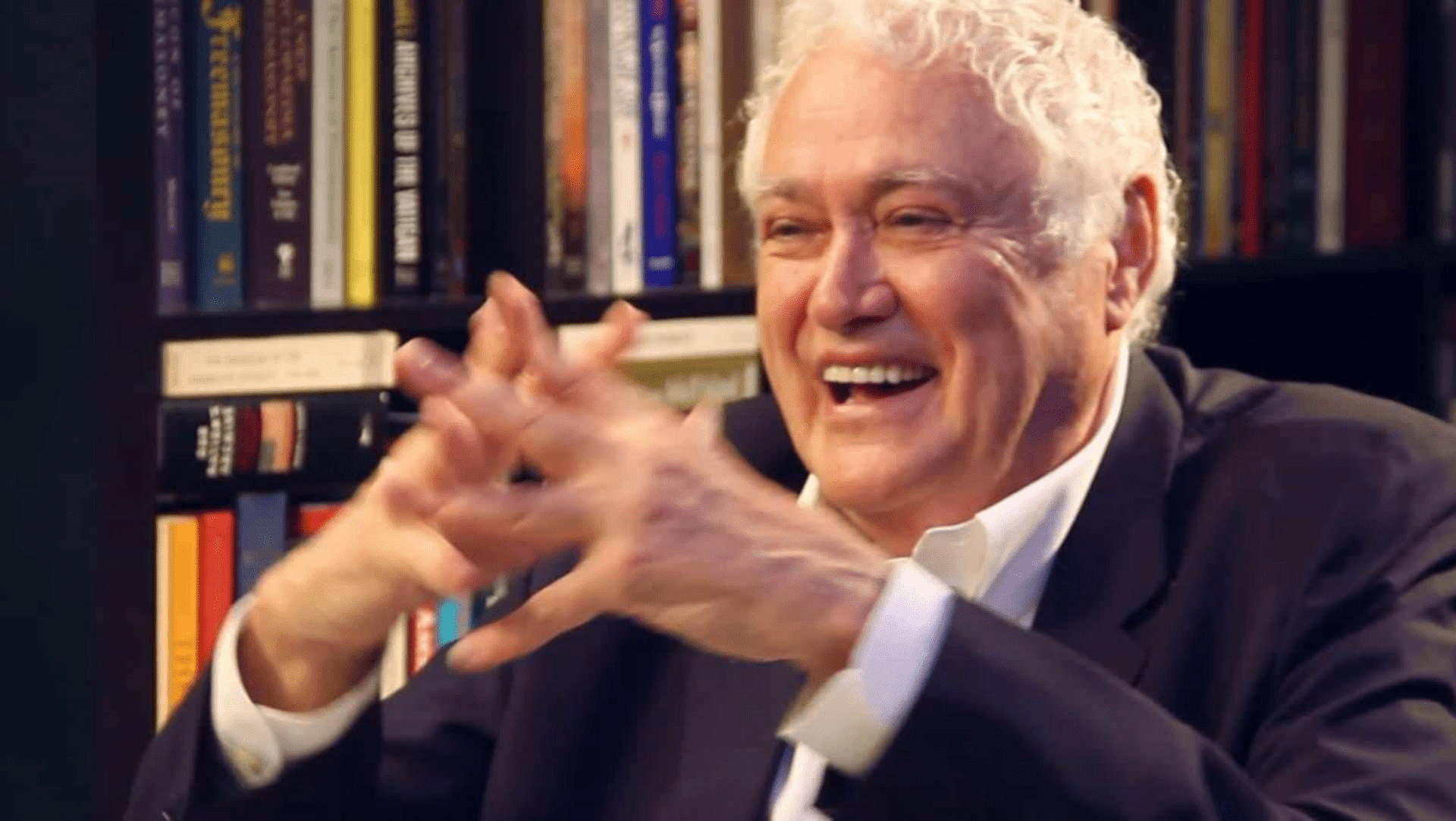
After a thorough examination of the educational system as a whole, John concluded that it was beyond fixing. He decided to leave his post after 26 years. But instead of a resignation letter, he published an article titled I Quit, I Think,” which appeared in the Wall Street Journal on July 25, 1991. In it, Gatto revealed that he understood how the mandated curriculum he was forced to teach fostered confusion, disrespect, and vulgarity, among other harmful outcomes. John even asked the school board for permission to teach a curriculum that wouldn’t harm children, but his request was denied. That was the start of his quest for truth. John also compared public education to a religion, the school to a church, and himself to a priest hired by the city of New York to create rituals and justify the system as a whole. He pointed out that Socrates himself had warned of this danger: in such an environment, what is easy to do is presented as complex. In 1991, utterly disillusioned with his profession and the U.S. education system, Gatto resigned. He soon became the central figure in a presentation called An Evening With John Taylor Gatto. The show brought him great renown as a speaker on school reform, a topic he pursued with intense dedication. In fact, he took his message to all 50 U.S. states and 7 foreign countries, giving over fifteen hundred speeches during that time.

Among Gatto’s key achievements during and after his teaching career are:
- Being appointed Secretary of Education in the Libertarian Party’s shadow cabinet in 1992.
- Inclusion in the Who’s Who in America directory.
- Receiving the Alexis de Tocqueville Prize.
Gatto studied the educational processes of the 1940s in depth and realized that in those days, people dedicated themselves to real work, adventures, charity, and mentorships that taught vital life skills. He also emphasized the strong sense of community, including household management and other necessary aspects of life. In Gatto’s view, the current public school system is beyond reform. This bold stance led many to label him a controversial radical. The fact that he was calling out the institutional elite for stifling imagination and inventiveness was, for some, unacceptable. Yet, he maintained that in the public school system, endless rows of children are conditioned to be submissive and take their expected place in the system created for them. Gatto urged people to reflect on terms like human resources and workforce and what they truly represent: a label for a group of properly trained individuals who have passed through a mandatory 12-year system of schooling that molds strict obedience. Gatto noted that to achieve this goal, a massive psychological campaign is needed to limit a person’s ability to think independently. In the most literal sense, this is child abuse. It’s difficult to overstate the contribution John Gatto made to people’s understanding of education. The truths he wrote about have driven significant changes in American education.