

James Baldwin stands as one of the 20th century’s most brilliant writers—an essayist, playwright, novelist, and a potent voice for the American Civil Rights Movement. He is best known for searing works like Notes of a Native Son, The Fire Next Time, and Go Tell It on the Mountain. Baldwin earned widespread acclaim for his profound reflections on race, spirituality, and humanity. You can delve deeper into the writer’s life and work on manhattan1.one.
Childhood and Youth
The future literary giant was born on August 2, 1924, in Harlem, New York. His mother, Emma Jones, was a single parent who never revealed the name of his biological father. When James was three, his mother married David Baldwin, a Baptist minister. Despite a tumultuous relationship with his stepfather, James referred to him as his father and even followed in his footsteps. From ages 14 to 16, the boy served as a pastor in a Pentecostal church in Harlem.
James started reading at a very early age, a passion that likely fueled his literary talent during his school years. He attended DeWitt Clinton High School in the Bronx, where he worked on the school magazine alongside future renowned photographer Richard Avedon.
Baldwin published a variety of poems, stories, and plays in the school journal, demonstrating an early grasp of complex literary structures. After graduating high school in 1942, he had to put his college plans on hold. As a young man, he was forced to earn money to support his family of eight. He took on any job he could find, including laying railway tracks for the US Army in New Jersey. During this time, James frequently encountered blatant discrimination. He was denied entry to restaurants, bars, and other cultural venues because he was African American. After leaving the job in New Jersey, Baldwin struggled to make ends meet while searching for his next opportunity.
The Emerging Writer

On July 29, 1943, James’s father died, and on that very same day, his eighth sibling was born. Soon after, he moved to Greenwich Village, a bohemian neighborhood in New York popular with artists and writers. During this period, Baldwin began working on a novel and survived on odd jobs. He befriended the established writer Richard Wright, who helped him secure a fellowship in 1945 to cover his expenses. Baldwin began publishing his own essays and short stories in prestigious publications like The Nation, Partisan Review, and Commentary.
Three years later, he made a pivotal life change and moved to Paris on a second fellowship. In 1953, Baldwin’s first novel, Go Tell It on the Mountain, was released. This autobiographical narrative explored the life of a young man grappling with a difficult relationship with his father and his own faith.
In 1954, James was awarded a Guggenheim Fellowship, and the following year, he published his novel Giovanni’s Room. The work told the story of an American man living in Paris and was groundbreaking for its complex and open depiction of homosexuality, a topic that was largely considered taboo at the time.
Love between men was also explored in his later novel, Just Above My Head (1978). Baldwin was open about his own sexuality and relationships with both men and women. However, he believed that rigidly defined categories were simply a way to limit freedom, asserting that human sexuality was more fluid and less binary than often expressed in the United States.
The Core of His Work
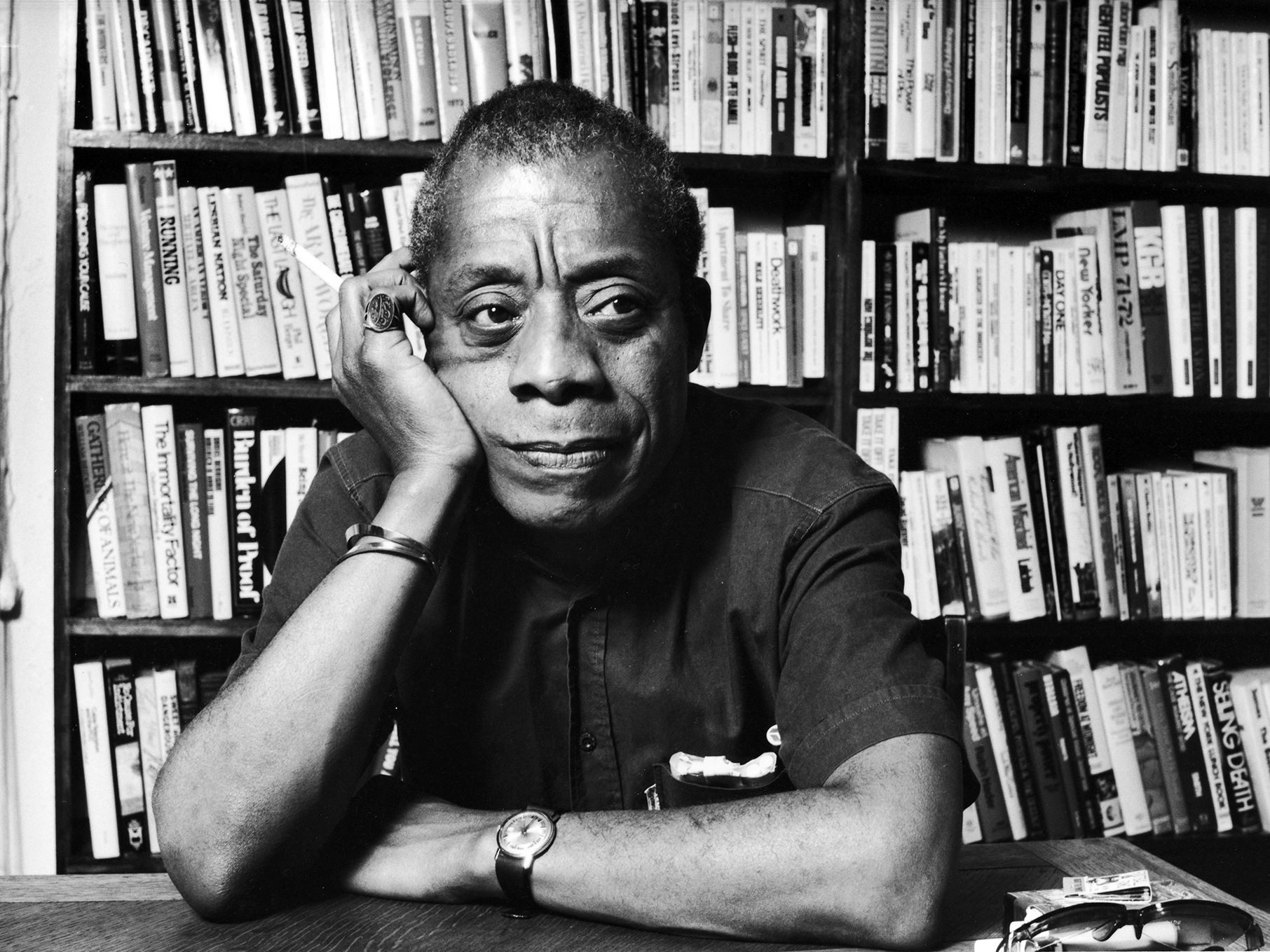
Baldwin also tried his hand at playwriting. He penned The Amen Corner, which examined the phenomenon of Pentecostalism. The play was staged at Howard University in 1955 and later debuted on Broadway in the mid-1960s. Yet, it was his essays that cemented James as one of the era’s foremost writers. By dissecting his own life, he offered a fearless and unvarnished look at the Black experience in America in works such as Notes of a Native Son (1955) and Nobody Knows My Name: More Notes of a Native Son (1961). Nobody Knows My Name became a bestseller, selling over a million copies. Although he was not an activist participating in marches or sit-ins, Baldwin became a literary leader of the Civil Rights Movement through his compelling work on race relations.
A notable shift occurred in the writer’s work in 1963 with the publication of The Fire Next Time. This collection of essays was intended to show white Americans what it meant to be Black. It also urged readers to see themselves through the eyes of the African American community. In this work, James presented a realistic picture of interracial relations while maintaining a spark of hope for possible improvement. His words resonated deeply with Americans, and the books sold over a million copies. In the same year, Baldwin was featured on the cover of Time magazine.
Soon after, James wrote another play, Blues for Mister Charlie, which premiered on Broadway in 1964. The drama was based on the real-life 1955 murder of young African American Emmett Till. That same year, a book co-written with his friend Avedon, titled Nothing Personal, appeared in bookstores. They dedicated the work to the slain civil rights leader Medgar Evers. Around the same time, Baldwin published the short story collection Going to Meet the Man.
In his 1968 novel, Tell Me How Long the Train’s Been Gone, James returned to his popular themes of sexuality, family, and the Black experience. Some critics panned the novel, calling it polemical. They also disliked the use of the first-person singular “I” as the narrative voice.
Later Works and Death
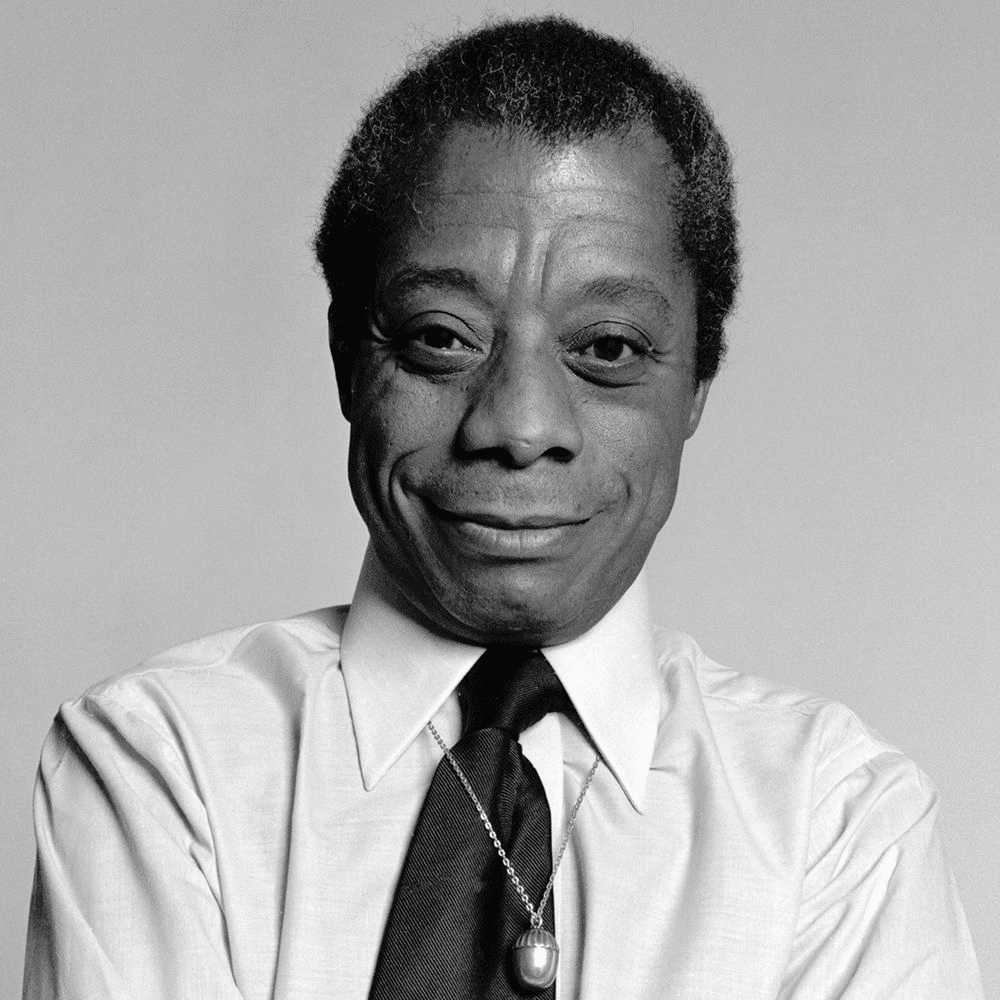
By the early 1970s, Baldwin seemed to have grown disillusioned with the racial situation. Over the previous decade, he had witnessed countless acts of violence fueled by racial hatred. This disappointment surfaced in his work, which became sharper in tone. Many critics point to the essay collection No Name in the Street (1972) as the beginning of this change in the writer’s work. Concurrently, he was working on a screenplay, attempting to adapt The Autobiography of Malcolm X by Alex Haley for the big screen.
In his final years, Baldwin’s literary fame waned somewhat, but James continued to produce new work across various forms. In 1983, he published the poetry collection Jimmy’s Blues: Selected Poems, and in 1987, the novel Harlem Quartet.
Baldwin remained a perceptive observer of race relations and American culture until the end of his life. In 1985, he wrote the book The Evidence of Things Not Seen about the Atlanta child murders. It’s worth noting that the novels written during his last creative period were often dismissed by many fans, who considered them noble failures lacking the fire and dramatic power of his earlier work.
James also shared his experiences and views for many years as a college professor. In his later life, he taught at the University of Massachusetts at Amherst and at Hampshire College.
James Baldwin died at his home in France on December 1, 1987. Never seeking to be a spokesperson or a leader, he saw his personal mission as bearing witness to the truth. Thanks to his vast and captivating literary legacy, he succeeded.